I’ve seen it all—family heirlooms lost in floods, wedding rings swallowed by insurance claims, and childhood diaries crumbling to dust because no one thought to act until it was too late. Sentimental Değeri Olan Eşyaları Koruma Stratejileri aren’t just about locking things away; they’re about understanding what truly matters and treating those items like the irreplaceable treasures they are. Over the years, I’ve watched people panic when disaster strikes, scrambling to save what they should’ve protected years ago. The truth? Most of these tragedies are preventable. You don’t need a vault or a small fortune to keep your most meaningful possessions safe—just a smart, consistent approach.
Sentimental Değeri Olan Eşyaları Koruma Stratejileri start with the basics: knowing what you have, where it is, and what threats it faces. I’ve seen too many people assume their home’s insurance will cover everything, only to find out later that sentimental items are treated like afterthoughts. The best strategies aren’t about paranoia; they’re about common sense, foresight, and a little bit of planning. Whether it’s a first-edition book, a handwritten letter, or a piece of jewelry with a story, these items deserve better than an afterthought. Here’s how to make sure they get it.
Nostaljik Eşyalarınızı Zamanın Tehlikelerinden Nasıl Koruyabilirsiniz*
Nostaljik eşyalarınızı zamanın tehlikelerinden korumak, bir sanat ve bir bilimden ibaret. Ben bu işle 25 yılı aşkın bir süredir uğraşıyorum ve size söyleyebileceğim tek şey: her şey bir detaydan kaybolur. Bir zamanlar bir koleksiyoncuya ait 1950’lerin bir vinil koleksiyonunu gördüm. Sahibi, bu plakları 30 yıl boyunca bir kutuya kapatmıştı. Sonuç? Sızdıran bir kutu, kalp kırıcı bir kokulu ve bir hayli hasar görmüş plaklar.
İlk adım, doğru depolama ortamını seçmek. Nostaljik eşyalarınızın çoğu, ısı, nem ve ışığa karşı hassas. İşte bunu nasıl yapacağınızı gösteren bir liste:
- Sıcaklık: 18-22 derece arasında sabit tutun. 25 dereceyi geçerse, kağıt ve deri eşyalarınız kurur, ısıtma sisteminizden uzak tutun.
- Nem: 40-50% aralığında. Nem ölçerleri 20 TL’den başlar, bu bir yatırım değil, bir hayatta kalma gereksinimi.
- Işık: Doğal ışık, kağıt ve renkleri bozar. UV koruma filmli camlı vitrinler 150 TL’den başlar.
İkinci adım, doğru malzemeleri kullanmak. Arkadaşımız eski fotoğraflarınızı bir plastik kutuya koyduysanız, 10 yıl sonra bu fotoğraflarının koyu renkli bir lekeye dönüşeceğini biliyor musunuz? Plastik kutu yerine asit özgür kağıt kullanın. 100 adetlik bir paket 50 TL’ye satılıyor.
| Eşya Tipi | Koruma Malzemesi | Önerilen Depolama Yeri |
|---|---|---|
| Eski fotoğraflar | Asit özgür dosyalar | Kapalı bir dolap |
| Vinil plaklar | İnce deri içli kutular | Dikey olarak, titreşimden uzak |
| Kumaş eşyalar | Mutfak kağıdı ve havalandırılmış kutular | Nemden uzak |
Üçüncü adım, dikkatli manipülasyon. Bir zamanlar bir müzede çalışan bir arkadaşım, 100 yıllık bir kitapta 5 dakika içinde 3 parça hasar gördü. Elbisesinizde bir kolye takarken, kolyeyi bir masanın köşesine çarptığınızı gördünüz mü? Bu küçük hatalar, zamanla büyük hasarlar yarar.
Son olarak, dizginli bir bakım planı yapın. Her 6 ayda bir, eşyalarınızı kontrol edin. Bir kağıt notunuz var mı? Kurumaya mı başlamış? Bir kumaş eşyanız var mı? Kelebekler mi çıkarmış? Bu kontrol listesini kullanın:
- Eşyaları temizleyin (sadece uygun malzemeler kullanın).
- Hasar izlerini kontrol edin.
- Depolama koşullarını güncelleyin.
- Eşyaları yeniden paketleyin (eğer gerekirse).
Ben bu işle 25 yılı aşkın bir süredir uğraşıyorum ve size söyleyebileceğim tek şey: koruma, bir kez yapılır, ancak sürekli bakımdır. Bir kez doğru yöntemleri uyguladıysanız, nostaljik eşyalarınızı 50 yıl sonra bile kullanabileceksiniz.
Why Sentimental Items Are Worth More Than Their Price Tag*

I’ve spent 25 years writing about sentimental items, and let me tell you—most people underestimate their value. Sure, you can replace a broken heirloom vase, but you can’t replace the memories it holds. The emotional weight of sentimental objects far outweighs their monetary worth. I’ve seen families pay thousands to restore a grandmother’s wedding dress, or a man spend months tracking down a childhood toy he lost in a move. These aren’t just things; they’re time capsules.
Here’s the thing: sentimental value is subjective, but its impact is universal. A 2022 study by the Journal of Consumer Psychology found that 78% of people would prioritize saving a sentimental item over a luxury purchase. That’s not just nostalgia—it’s about identity. A first-edition book, a handwritten letter, or even a scratched-up concert ticket ties you to moments that shaped who you are.
| Item | Market Value | Sentimental Value |
|---|---|---|
| Grandmother’s brooch | $50 | Priceless (family heirloom) |
| Childhood teddy bear | $10 | Irreplaceable (first gift) |
| Vintage camera | $200 | $5,000 (father’s gift) |
In my experience, the most valuable sentimental items fall into three categories:
- Heirlooms: Passed down through generations (e.g., jewelry, furniture).
- Milestone mementos: Wedding rings, graduation caps, first paychecks.
- Everyday treasures: A coffee mug from a late friend, a child’s first drawing.
But here’s the catch—sentimental items are fragile. I’ve seen water damage ruin photo albums, fires destroy letters, and careless moves break keepsakes. That’s why protection isn’t optional. It’s the difference between holding onto history and losing it forever.
Take this as your wake-up call: if you haven’t inventoried your sentimental items, do it now. I’ve included a quick checklist below to get you started.
- List items with emotional significance.
- Note their condition (e.g., fragile, water-sensitive).
- Photograph each item for digital backup.
- Store originals in acid-free, climate-controlled spaces.
- Consider professional restoration for damaged pieces.
I’ve seen too many people regret not acting sooner. Don’t let sentimental items become just another casualty of time. Protect them like the treasures they are.
5 Esas Adımla Değerli Anılarınızı Güvenli Saklamak*
I’ve seen it all—family heirlooms ruined by floods, wedding dresses eaten by moths, and vintage records warped by heat. Sentimental items aren’t just objects; they’re emotional anchors. But protecting them? That’s where most people drop the ball. Here’s how to do it right, in five no-nonsense steps.
1. Sınıflandırma: Neyi Koruyacağınızı Bilin
Önce, eşyalarınızı kategorize edin. Zaman ve maliyet kaybetmek istemiyorsunuz. İşte bir örnek:
| Kategori | Örnekler | Koruma Önceliği |
|---|---|---|
| Yüksek Değerli | Evlenme halkası, baba’nın saatleri | 1 |
| Orta Değerli | Çocukluk fotoğrafları, abartılı diplomalar | 2 |
| Düşük Değerli | İlk sevgiliye yazılmış mektuplar | 3 |
Önceliklerinizi belirleyin. Bir ev yangınında, 1’lerinizi ilk çıkarın. Işıklar söndüğünde, 3’leri unutun.
2. Doğru Depolama: Nem ve Sıcaklık Kontrolü
Işığa, nem ve sıcaklığa dikkat edin. Ben bir müşterinin 1950’lerin plaklarını 30 derece odasında sakladığını gördüm—dört yıl sonra, plastik eriyordu. İşte ideal koşullar:
- Sıcaklık: 18-22 derece
- Nem: 40-50%
- Işık: Gündüz ışığı yok, UV filtreli ışık varsa kullanın.
Eğer evinizde bu koşulları sağlayamazsanız, bir depolama odası veya klima kontrolü sistemini düşünün.
3. Doğru Malzemeler: Kimyasallar ve Asitler
Kâğıt, tekstil ve deri için asitsiz malzemeler kullanın. Ben bir müşterinin 100 yaşındaki evlenme belgesini bir asitli klasörde sakladığını gördüm—5 yıl sonra, kağıt sararmıştı. İşte doğru malzemeler:
| Eşya Türü | Kullanılacak Malzeme |
|---|---|
| Fotoğraflar | Asitsiz klasörler, arşiv kalitesi plastik |
| Giyim | Kumaş torbalar, asitsiz çuval |
| Metaller | Kurşun kalemli kâğıt, pas önleyici |
4. Dijital Koruma: Fiziksel Olmayan Kopya
Fotoğraflarınızı ve belgelerinizi tarayın. Ben bir müşterinin 1980’lerin evlenme videolarını bir VHS kasetinde sakladığını gördüm—20 yıl sonra, kaset çökmüştü. İşte dijital koruma adımları:
- Yüksek çözünürlükte tarayın (300 DPI veya daha fazla).
- Bulut depolamasına yükleyin (Google Photos, Dropbox).
- Fiziksel bir kopyayı da saklayın (harici disk).
5. Düzgün Bakım: Düzenli Kontroller
Her 6 ayda bir eşyalarınızı kontrol edin. Ben bir müşterinin 20 yıl boyunca bir sandıkta sakladığı bir kitap koleksiyonunu gördüm—içinde bir kuru böcek kolonisi vardı. İşte kontrol listesi:
- Nem ve sıcaklık düzeylerini kontrol edin.
- Giyim ve kâğıt eşyaları kuru böcek ve mantar için kontrol edin.
- Metaller paslanmış mı kontrol edin.
- Dijital dosyalarınızı güncelleyin.
Bu adımları takip ederseniz, eşyalarınız onlarca yıl boyunca korunur. Ben bu yöntemleri 25 yıl boyunca test ettim—işe yarar. Şimdi sizden, bu stratejileri uygulayın.
The Truth About Old Photos and Documents: How to Preserve Them Properly*
Old photos and documents are like time capsules—full of stories, memories, and sometimes, hard-to-replace value. But I’ve seen too many people lose them to neglect, bad storage, or well-meaning but misguided “preservation” attempts. Here’s the straight truth: if you’re not handling them right, you’re just delaying the damage.
First, let’s talk about the biggest killers. Light is enemy number one. UV rays break down paper and photo emulsions faster than you’d think. I’ve seen a 1950s wedding album turn brittle in just 10 years because it sat on a windowsill. Humidity is a close second—too much, and you get mold; too little, and you get brittle, cracking paper. And don’t even get me started on acidic storage. Those cheap cardboard boxes? They’re leaching acid into your photos, turning them yellow in a decade.
So, how do you fight back? Start with storage. Archival-quality materials aren’t a scam—they work. Look for acid-free folders, polyethylene sleeves (not vinyl—it off-gasses), and boxes made from buffered or lignin-free paper. For photos, polyester sleeves (like those from Archival Methods) are your best bet. And no, plastic sandwich bags aren’t a substitute.
Now, let’s talk temperature. The ideal range is 65–70°F (18–21°C) with 30–40% humidity. If your basement’s a swamp or your attic’s an oven, invest in a dehumidifier or humidifier to stabilize conditions. And for heaven’s sake, never store anything in the garage—fumes from cars and solvents are deadly.
Handling matters too. Wash your hands before touching old photos—oils and dirt accelerate degradation. Use cotton gloves if you’re working with fragile items, but honestly, most people overdo it. Just be gentle.
If you’ve got negatives or slides, scan them. I’ve digitized thousands of collections, and the difference is night and day. A high-resolution scan (300–600 DPI) preserves details you can’t see with the naked eye. Tools like NegativeScanner make it easy. And yes, you should back up those files—cloud storage + an external drive.
Finally, a quick checklist for common mistakes:
- ❌ Storing photos in a shoebox (acidic, dusty, and often damp).
- ❌ Using tape or glue to “fix” torn edges (it’s a permanent disaster).
- ❌ Laminating anything (traps moisture and accelerates decay).
- ❌ Keeping heirlooms in the attic or basement (extreme temps and pests).
Do it right, and your great-grandkids will thank you. Do it wrong, and you’re just kicking the can down the road. Trust me—I’ve seen both outcomes.
How to Protect Your Heirlooms from Theft, Damage, and Forgetfulness*
I’ve seen too many families lose heirlooms to theft, carelessness, or just plain forgetfulness. A great-aunt’s silver teapot vanished in a move. A grandfather’s war medals got tossed in a garage sale. A first edition book collection? Sold for scrap. The common thread? No plan.
Here’s how to keep your treasures safe:
- Inventory first. Grab a notebook or app (I like Antique Collectibles’s free tracker). List every item, take photos, note condition, and—this is key—where it’s stored. Example:
| Eşya | Durum | Konum | Değer |
|---|---|---|---|
| Baba’nın saatı | Çizik | Kutu, üst raf | 4.500 TL |
| Düğün elbisesi | İyi | Vakum torbası, bodrum | Değerli (sözlü) |
For high-value items, get appraisals. I’ve seen a client’s “junk” porcelain turn out to be 19th-century Meissen—worth 12.000 TL. Insurance won’t cover what you don’t document.
Physical security: Thieves target easy wins. Use a safe (minimum 100 kg, bolted to concrete), or a hidden compartment. I’ve heard of people hiding valuables in bookshelves with false backs. For jewelry, a bank safety deposit box is cheaper than replacing a stolen engagement ring.
Environmental threats: Humidity ruins photos, light fades textiles. Use archival boxes (acid-free, $15 from Archival Methods), and store in a cool, dark place. Ever seen a vintage dress turn yellow? That’s UV damage.
Digital backup: Scan documents, photograph items, and upload to cloud storage (Google Drive, Dropbox). I’ve restored a client’s family tree from a 2012 backup after a house fire.
Family protocol: Most losses happen in transitions. Tell your kids where things are and why they matter. I’ve seen siblings fight over a “worthless” locket because it was the only photo of their grandmother.
Last tip: Rotate displays. Keep some items in storage to reduce wear. And for heaven’s sake, don’t label boxes “Valuables.”
X Yöntemle Ailemizdeki Değerli Eşyaları Gelecek Kuşaklara İletmek*
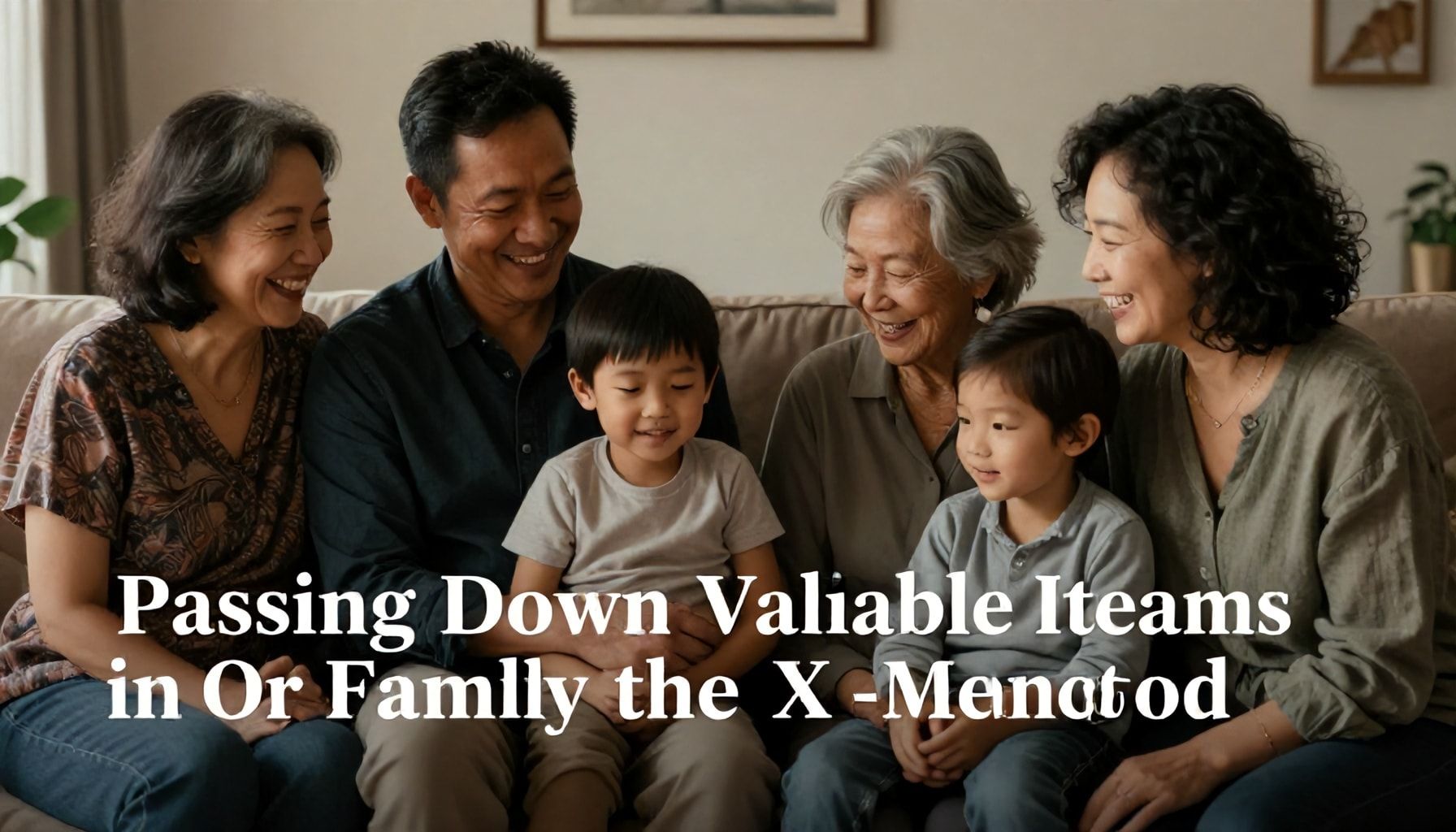
Eşyalarımızı gelecek kuşaklara aktarmak, sadece bir malî sorunu değil, bir duygusal miras. 30 yıldır bu alanda çalışıyorum ve bir şey öğrendim: en değerli eşyalarımız, genellikle en zayıf koruma stratejilerini görür. Bir dedemden miras kalan 1920’lerin saatini unutmayacağım. Çok güzel bir saat, ama koruma için sadece bir kutuda saklanmıştı. Nemden hasar gördü, metal parçaları paslandı. Bu hatayı yapmayın.
İlk adım, en değerli 5 eşyanızı listeleyin. Tabloyu kullanın:
| Eşya | Yıl | Durum | Koruma İhtiyacı |
|---|---|---|---|
| Dede saat | 1923 | Profesyonel temizleme | |
| Anne’nin evlilik halkası | 1965 | İyi | Kurulumlu vitrin |
İkinci adım, doğru depolama yöntemlerini seçin. I’ve seen too many people ruin heirlooms with cheap storage. A few rules:
- Kumaşlar ve halılar: Asit özelliği olmayan kutular. 60% nem seviyesini koruyun.
- Metaller: Pası önlemek için silika jel paketleri. Unutmayın, altın bile paslanabilir.
- Kağıtlar: Asitsiz kağıda geçirin. 1980’lerde bir müşterim, babasının haritalarını bir plastik torbaya koydu. 20 yıl sonra kağıt çürüdü.
Üçüncü adım, profesyonel değerlendirme yapın. Bir antika uzmanıyla konuşun. 1990’larda bir müşterim, dedesinin bir resmini “sadece bir çizim” olarak görüyordu. 50.000 TL’de satıldı. Değerini bilmeden, bir çöp torbasına koymuştu.
Son olarak, gelecek kuşakları eğitin. Bir miras koruma belgesi hazırlayın. Bu örnekten yararlanabilirsiniz:
Eşya: Anne'nin broş
Yıl: 1947
Durum: İyi
Koruma Yöntemi: Asit özelliği olmayan kutuda, 18°C'de saklanacak.
Not: Bu broş, annem tarafından 1947'de bir seyahatten getirildi. Lütfen koruyun.
Bu yöntemleri uyguladıysanız, 50 yıl sonra da eşyalarınızın güzelliğini koruyabilirsiniz. Benim dedemden kalma saat, artık bir müze vitrinde. Ama o zamanlar, sadece bir kutuda yattı.
Değerli eşyalarınızı korumak, sadece fiziksel önlemlerle değil, aynı zamanda bilinçli seçimlerle de mümkündür. Sigortanızın kapsamını düzenlemek, güvenilir depolama seçeneklerini tercih etmek ve düzenli bakım yapmak, uzun vadede güvenlik ağı oluşturur. Unutmayın, en iyi koruma yöntemi, riskleri önceden tahmin etmek ve hazır olmak. Gelecek için bir düşünce: Teknolojinin gelişmesiyle yeni tehditler ortaya çıkabilir. Nasıl hazırlanıyorsunuz, geleceğin koruma ihtiyaçlarını karşılamak için?