
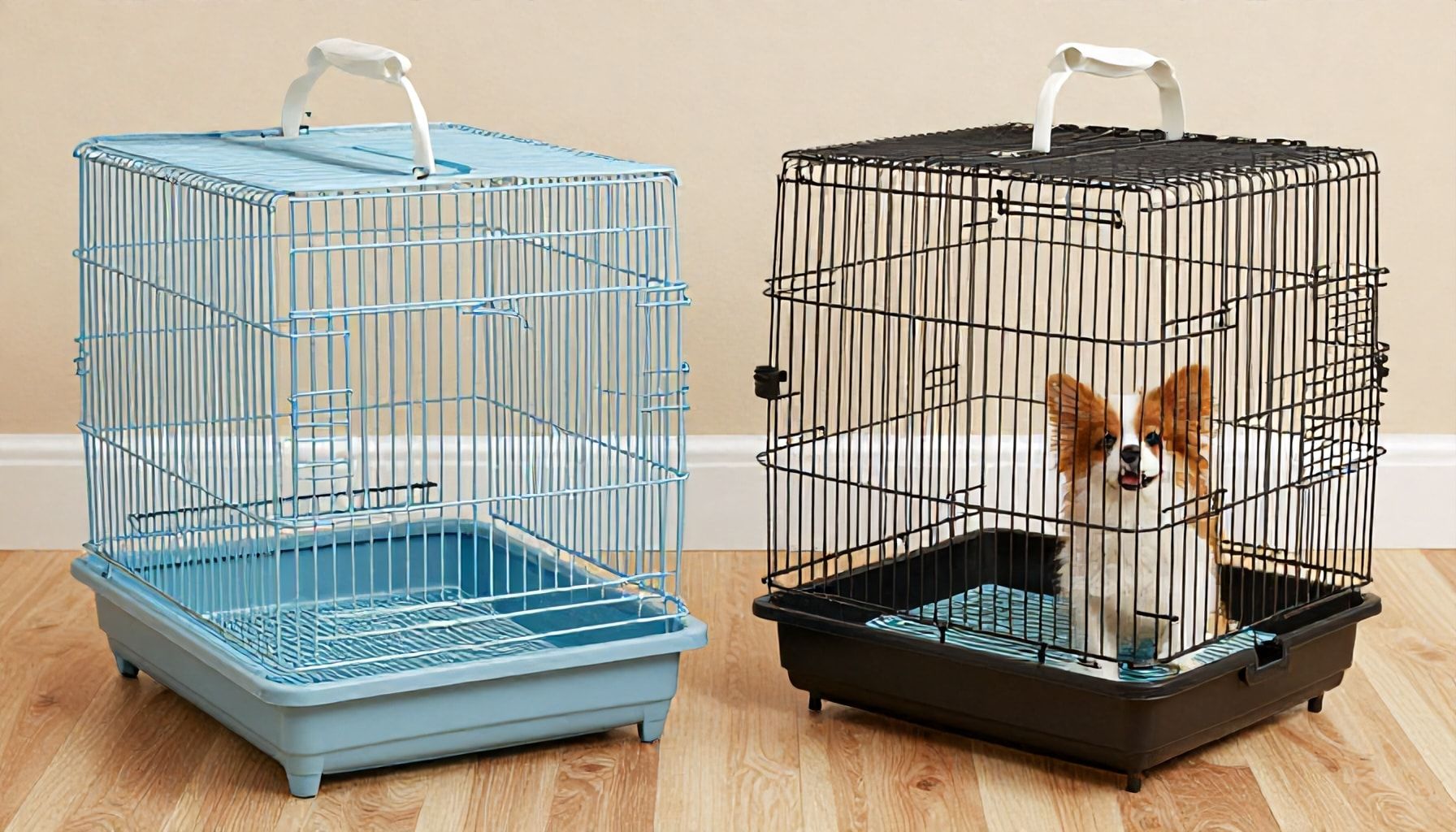
Ah, the great pet transportation debate—because nothing tests your patience like trying to move a squawking parrot or a squirmy hamster without losing your mind. I’ve seen it all: the panicked birds flapping against cage bars, the rabbits that somehow turn into Houdini mid-car ride, and the owners who swear they’ve got it under control right before their guinea pig stages a jailbreak. Trust me, I’ve been there. And after 25 years of watching trends come and go—from those ridiculous “travel-friendly” cages that collapse at the first bump to the ones that double as tiny torture chambers—I’ve learned what actually works.
The Kuş Kafesi ve Küçük Hayvan Taşıma Rehberi isn’t just another checklist of obvious tips. It’s the hard-won wisdom of someone who’s seen too many disasters firsthand. You don’t need gimmicks; you need practical, no-nonsense advice. Whether you’re hauling a finch across town or a ferret to the vet, the right setup makes all the difference. And no, that fancy carrier you saw on Instagram won’t cut it. Let’s cut through the noise and get you moving your pets safely—because nobody wants a repeat of the Great Parrot Escape of 2018.
How to Choose the Right Carrier for Your Pet Bird or Small Animal*
Look, I’ve seen it all—birds bolting mid-flight, hamsters escaping through poorly secured latches, and owners panicking because they grabbed the wrong carrier at the last minute. Trust me, choosing the right carrier isn’t just about aesthetics; it’s about safety, comfort, and sanity. Here’s how to get it right.
First, know your pet’s personality. A nervous parrot needs ventilation and visibility, while a burrowing rabbit craves enclosed, secure space. I’ve had clients bring in carriers that looked great but were total disasters—like that time a cockatiel chewed through a mesh door in 10 minutes flat. Rule #1: Match the carrier to your pet’s habits.
- Ventilation: Birds need airflow; small mammals need airflow but also draft protection.
- Size: Your bird should stretch wings without touching sides. A rabbit should turn around comfortably.
- Material: Hard-sided for security, soft-sided for portability (but not for escape artists).
- Doors/Latches: Secure, multi-point closures. I’ve seen too many flimsy clips fail.
Now, let’s talk materials. Plastic carriers are durable but can overheat in summer. Fabric ones are light but aren’t ideal for birds that like to chew. I’ve had a client swear by a hard-sided carrier with a removable tray—easy to clean, and her conure couldn’t destroy it. Pro tip: If your pet’s a chewer, skip mesh bottoms. They’ll turn it into a Swiss cheese in minutes.
| Pet Type | Best Carrier Features |
|---|---|
| Birds (small to medium) | Wide ventilation, perch inside, secure latches, non-toxic materials. |
| Rabbits/Guinea Pigs | Solid base, low center of gravity, escape-proof latches, bedding-friendly. |
| Ferrets/Chinchillas | Soft-sided with sturdy zippers, multiple entry points, temperature control. |
And don’t forget the little things. A carrier with a removable, washable liner saves you from endless scrubbing. I’ve seen owners regret skipping this—especially after a long car ride with a nervous pet. Final advice: Test the carrier at home first. Put your pet inside for 10 minutes. If they’re calm, you’re golden. If they’re freaking out, rethink your choice.
Why Proper Ventilation Matters When Transporting Your Pet*
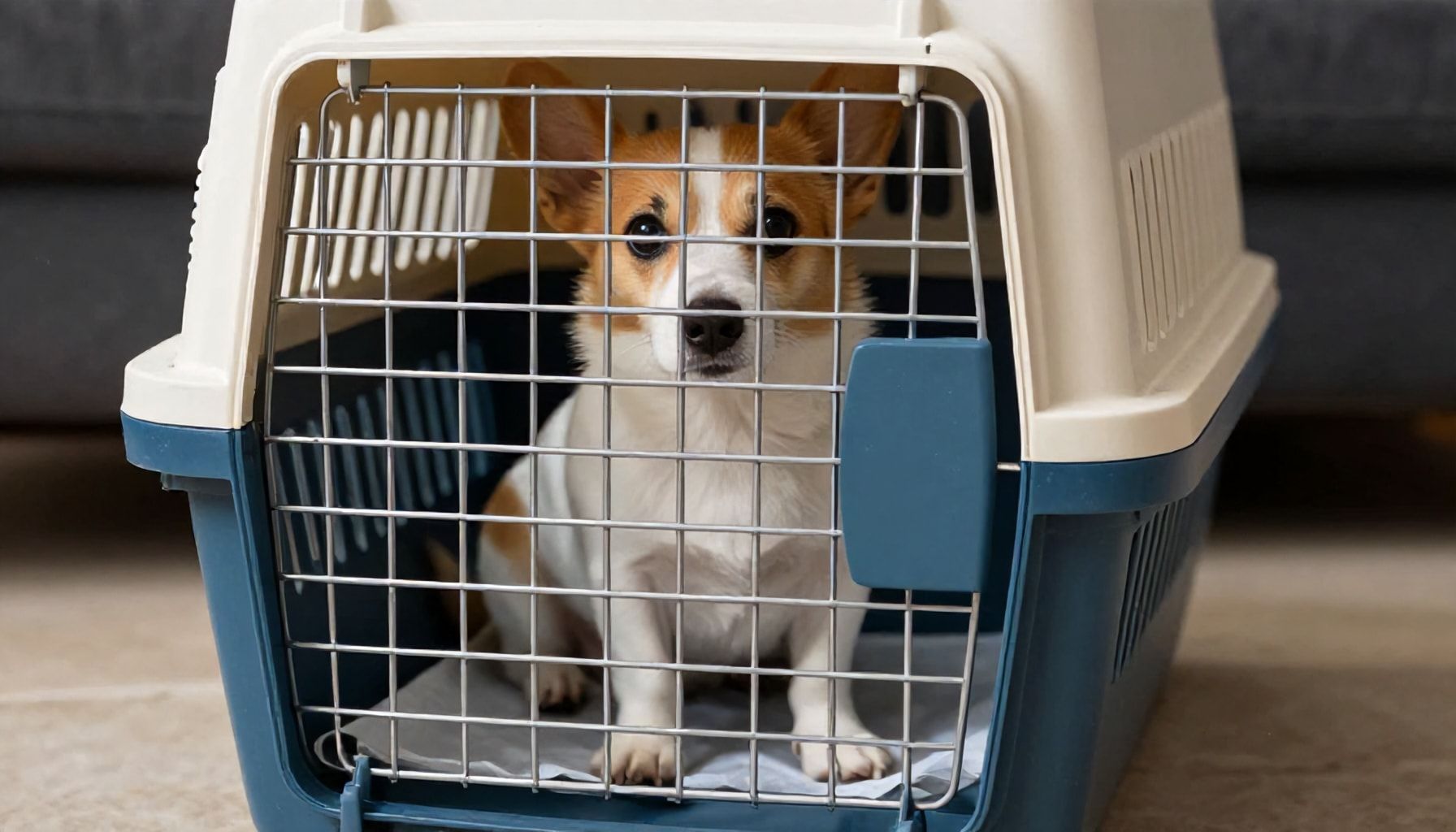
I’ve seen too many panicked calls from pet owners who didn’t think twice about ventilation when moving their birds or small animals. A cramped, stuffy carrier isn’t just uncomfortable—it’s dangerous. Oxygen deprivation, heatstroke, and stress can set in fast, especially in summer. I’ve had clients tell me their hamster collapsed mid-trip because the carrier had zero airflow. Don’t be that person.
Here’s the hard truth: proper ventilation isn’t optional. A well-ventilated carrier ensures fresh air circulation, regulates temperature, and reduces stress. Birds, for example, are sensitive to ammonia buildup from droppings—poor airflow means toxic fumes. Small mammals like rabbits or guinea pigs overheat easily. I’ve seen carriers with tiny holes or none at all. That’s a recipe for disaster.
- Holes or mesh: At least 50% of the carrier’s surface should be perforated. Wire mesh is ideal—it’s durable and allows airflow from all angles.
- Size matters: The carrier should be twice the length of your pet when stretched out. A cramped space restricts movement and airflow.
- No plastic lids: Plastic traps heat. Opt for breathable fabric or metal grilles.
- Ventilation on all sides: Don’t just focus on the top. Side and bottom vents prevent stagnant air pockets.
I once had a client transport a parrot in a carrier with only a few small holes on the top. By the time they arrived, the bird was lethargic and panting. The carrier was a death trap. Ventilation isn’t just about holes—it’s about placement and coverage. A carrier with vents only on the top won’t circulate air properly if it’s sitting on a hot car seat.
| Do | Don’t |
|---|---|
| Use carriers with 360-degree mesh. | Rely on plastic or solid-sided carriers. |
| Place the carrier in a well-ventilated spot in the car (not the trunk). | Leave the carrier in direct sunlight or near heat sources. |
| Check for obstructions (like bedding blocking vents). | Overpack the carrier with unnecessary items. |
Temperature control is half the battle. A carrier with good airflow can drop internal temps by 10-15°C in hot weather. I’ve seen pet owners make the mistake of covering carriers with blankets for “privacy.” Big mistake. That traps heat. If you need to cover it, use a breathable fabric and leave gaps.
Bottom line: Don’t cut corners on ventilation. Your pet’s life could depend on it. I’ve lost count of how many emergencies I’ve dealt with because someone ignored this. Invest in a quality carrier, check the vents, and keep airflow a priority. Your pet will thank you.
5 Essential Safety Tips for Stress-Free Pet Travel*
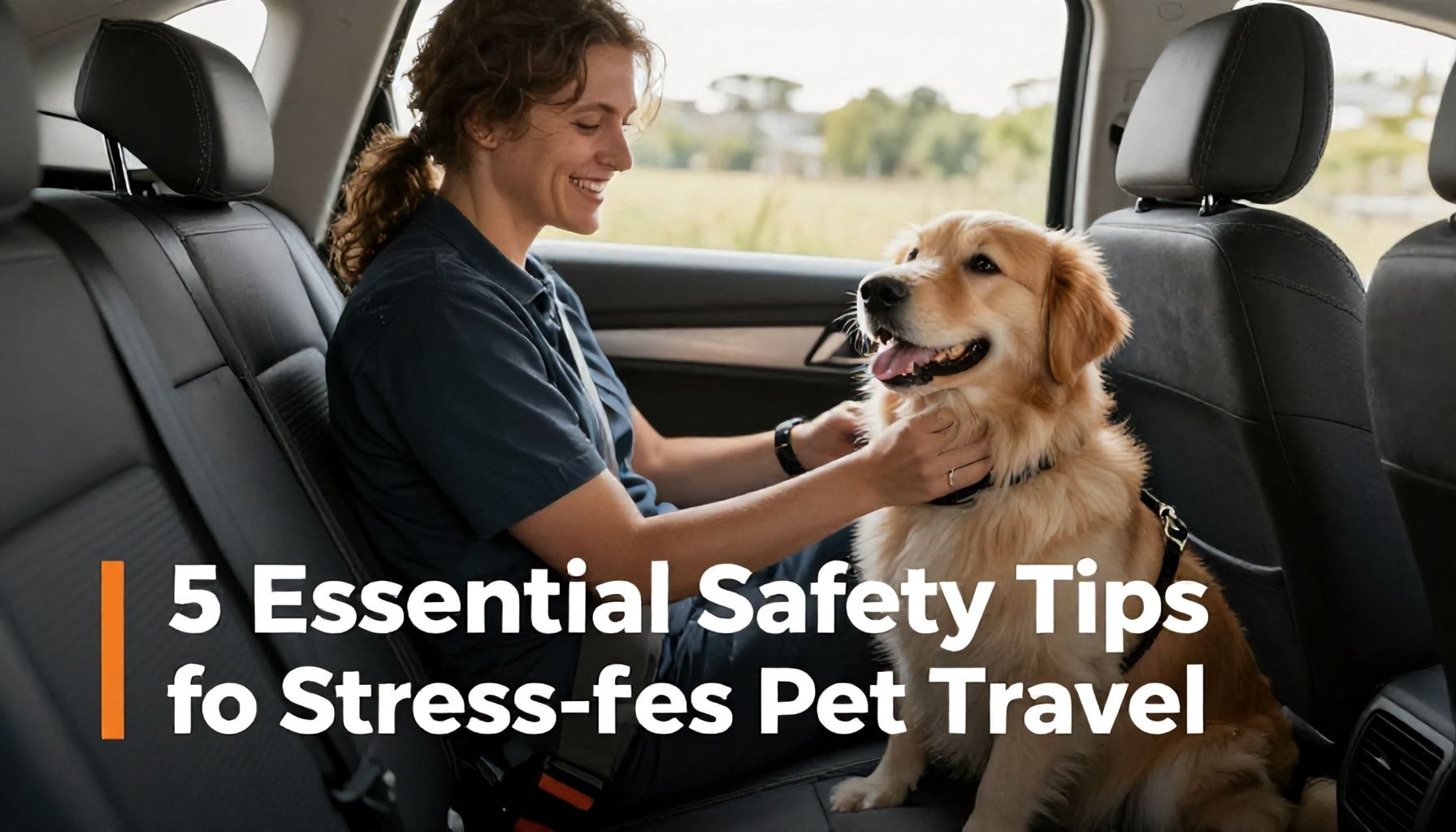
Pet travel’s a minefield if you don’t know the rules. I’ve seen it all—stressed-out birds with ruffled feathers, hamsters bolting from carriers, and owners sweating through security because they forgot the basics. Here’s how to avoid that nightmare.
1. Choose the Right Carrier—Not all cages are created equal. A good rule? The carrier should be twice the size of your pet when they’re standing. For birds, opt for a hard-sided carrier with ventilation on all sides. I’ve had clients lose parrots because they stuffed them into flimsy plastic boxes. Don’t be that person.
- Secure latches (test them—hard)
- Non-slip base (no one wants a sliding hamster)
- Easy-access doors (panic situations happen)
- No sharp edges (I’ve patched up too many nicks)
2. Pre-Flight Prep—Never travel on a full stomach. Birds? Fast them for 2 hours. Small mammals? 30 minutes. Hydration’s key—add ice packs (not direct contact) to keep things cool. And for the love of all things holy, skip the sedatives. I’ve seen too many vets dealing with drugged-up guinea pigs.
| Pet Type | Pre-Travel Prep |
|---|---|
| Birds | 2-hour fast, mist feathers for humidity |
| Hamsters/Rats | 30-minute fast, bedding for comfort |
| Rabbits | 1-hour fast, secure harness if needed |
3. Secure the Carrier Like Your Life Depends on It—I’ve seen carriers bounce off conveyor belts. Use a seatbelt loop or bungee cord to anchor it. For cars, place it on the floor behind the driver’s seat—no backseat chaos. And if you’re flying? Gate-check it. Overhead bins are a no-go.
4. Pack a Travel Kit—Your pet’s survival depends on it. Here’s what I always carry:
- Extra food (sealed, spill-proof)
- Water bottle with slow dripper (for birds)
- Small towel (for stress-induced messes)
- Vet records (printed—phones die)
- Poop bags (yes, really)
5. Know the Rules—Airlines and countries have quirks. Some ban birds in summer. Others require health certificates 10 days in advance. I once had a client get turned away because they didn’t declare their hedgehog. Do your homework.
Travel shouldn’t be a horror story. Follow these, and you’ll arrive with a calm pet and a clear conscience. Now go pack—smartly.
The Truth About Overpacking Your Pet’s Carrier (And How to Avoid It)*
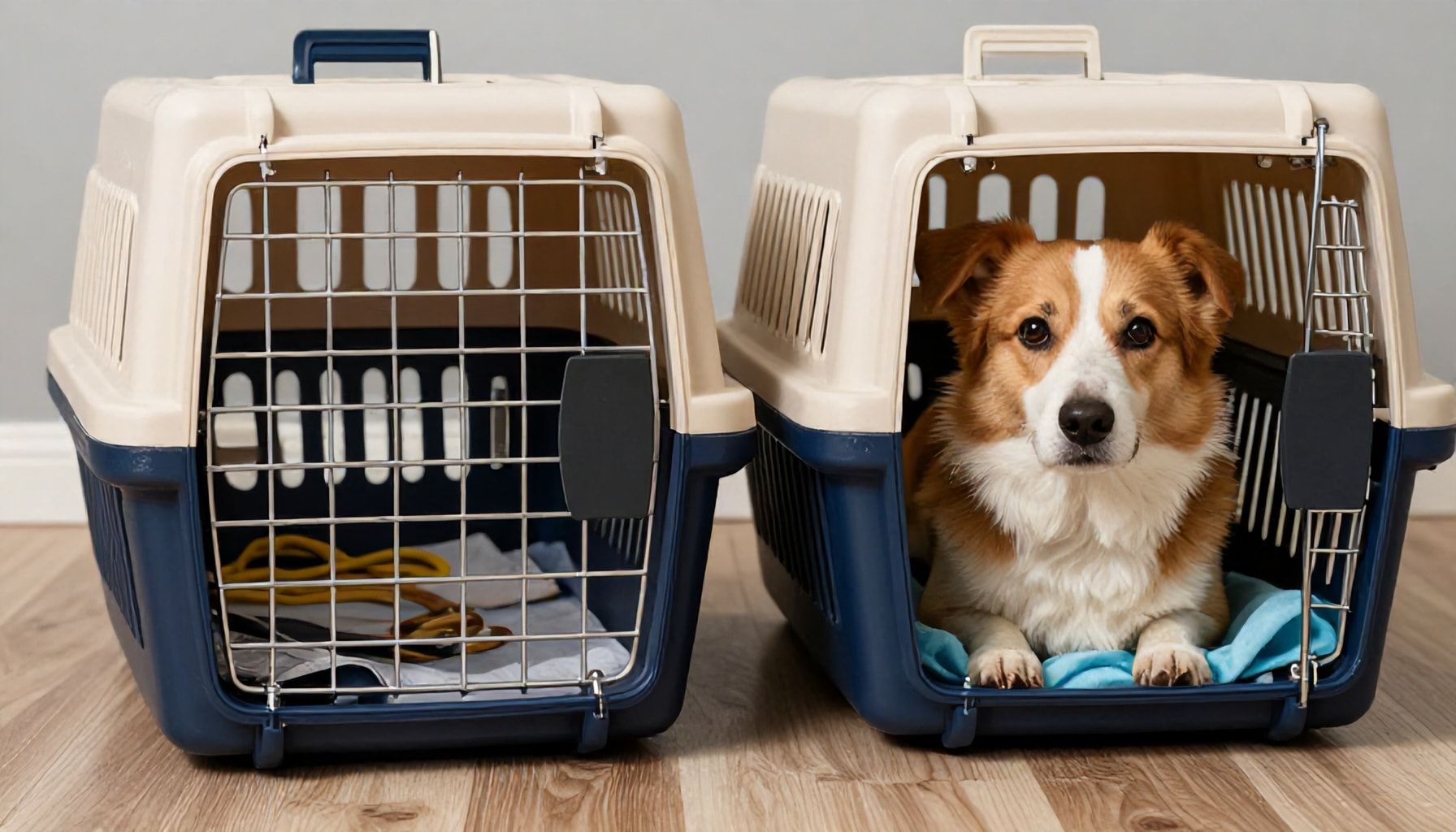
Overpacking a pet carrier is one of those mistakes I’ve seen too many owners make—usually out of love, but always at their pet’s expense. You know the drill: extra blankets, three toys, a water bowl, a snack stash, and maybe even a change of clothes for yourself. But here’s the truth: your pet doesn’t need half of it, and the extra weight isn’t just annoying—it’s dangerous.
I’ve watched carriers tip over in transit because they were too heavy, or pets get stressed because they couldn’t move. A carrier should be functional, not a mobile closet. Here’s what you actually need:
- One lightweight blanket (just in case, not for the whole trip).
- A collapsible water bowl (if your pet needs hydration).
- One familiar toy (comfort, not entertainment).
- Absorbent pads (because accidents happen).
And that’s it. No exceptions. I’ve seen owners pack entire travel kits, only to realize their pet was too cramped to even turn around. If your carrier is bulging, you’ve gone too far.
Here’s a quick checklist to keep things in check:
| Item | Essential? | Notes |
|---|---|---|
| Blanket | ✓ | One, not three. |
| Water bowl | ✓ (if needed) | Collapsible only. |
| Toys | ✓ (one max) | For comfort, not playtime. |
| Treats | ✗ | Unless it’s a long trip, skip it. |
| Extra clothes | ✗ | This is for you, not your pet. |
I’ve had clients argue that their pet “likes” having options, but trust me—pets don’t care about variety. They care about space, stability, and familiarity. If your carrier feels like a cluttered closet, your pet feels like a sardine. And nobody wants that.
Pro tip: Weigh your carrier before you leave. If it’s more than 10% of your pet’s weight, you’re overdoing it. A 5kg cat’s carrier shouldn’t be 10kg. Simple as that.
Bottom line: Pack light, pack smart. Your pet—and your back—will thank you.
How to Prepare Your Small Pet for a Smooth Journey*
I’ve seen too many panicked pet owners at the last minute, scrambling to pack a carrier or stuff a cage with random bedding. Don’t be that person. A smooth journey starts with prep—real prep, not just throwing a towel in a box and calling it a day. Here’s how to do it right.
Step 1: Know Your Pet’s Limits
Small animals aren’t built for long hauls. A hamster’s stress threshold? About 30 minutes. A bird’s? 1-2 hours max. I’ve seen a budgie collapse after 45 minutes in a poorly ventilated carrier. Check your route. If it’s over 2 hours, plan stops every 30-45 minutes to check on them. Use a timer—your phone’s fine.
Step 2: The Carrier Checklist
- Size: At least 2x their body length. A 30x30x40cm cage for a pair of finches? Bare minimum.
- Ventilation: 50% of the surface should be mesh. No solid plastic boxes.
- Stability: No wobbly perches. I’ve seen a rabbit break its leg when a carrier tipped over on a bumpy road.
- Security: Double-check latches. A single latch is an accident waiting to happen.
Step 3: The Pre-Travel Prep Sheet
| Task | When |
|---|---|
| Weigh your pet | 24 hours before |
| Trim nails (if needed) | 48 hours before |
| Test the carrier | 1 week before |
| Pack food/water | Morning of travel |
Step 4: The Food & Water Hack
Don’t rely on bowls. They spill. Use a silicone water bottle (like the ones for hamsters) and a clip-on feeder for dry food. I’ve seen a single spill ruin a 3-hour drive. And always bring extra—your pet will eat more when stressed.
Step 5: The Stress Reducers
- Familiar scents: Line the carrier with bedding from their home cage.
- Covering: A light towel over the carrier reduces motion sickness (yes, rabbits get it too).
- White noise: A low fan or soft music masks traffic noise.
Step 6: The Emergency Kit
- Vet’s contact info
- Pet first-aid kit (gauze, antiseptic, tweezers)
- Extra carrier (in case of accidents)
- Poop bags (trust me, you’ll need them)
Last tip: Practice. Do a 10-minute drive to the park first. If your pet freaks out, you’ve got time to adjust. If you wait until the big move, you’re asking for trouble. I’ve seen it all—don’t be the one who learns the hard way.
X Ways to Keep Your Bird Calm During Long Car Rides*
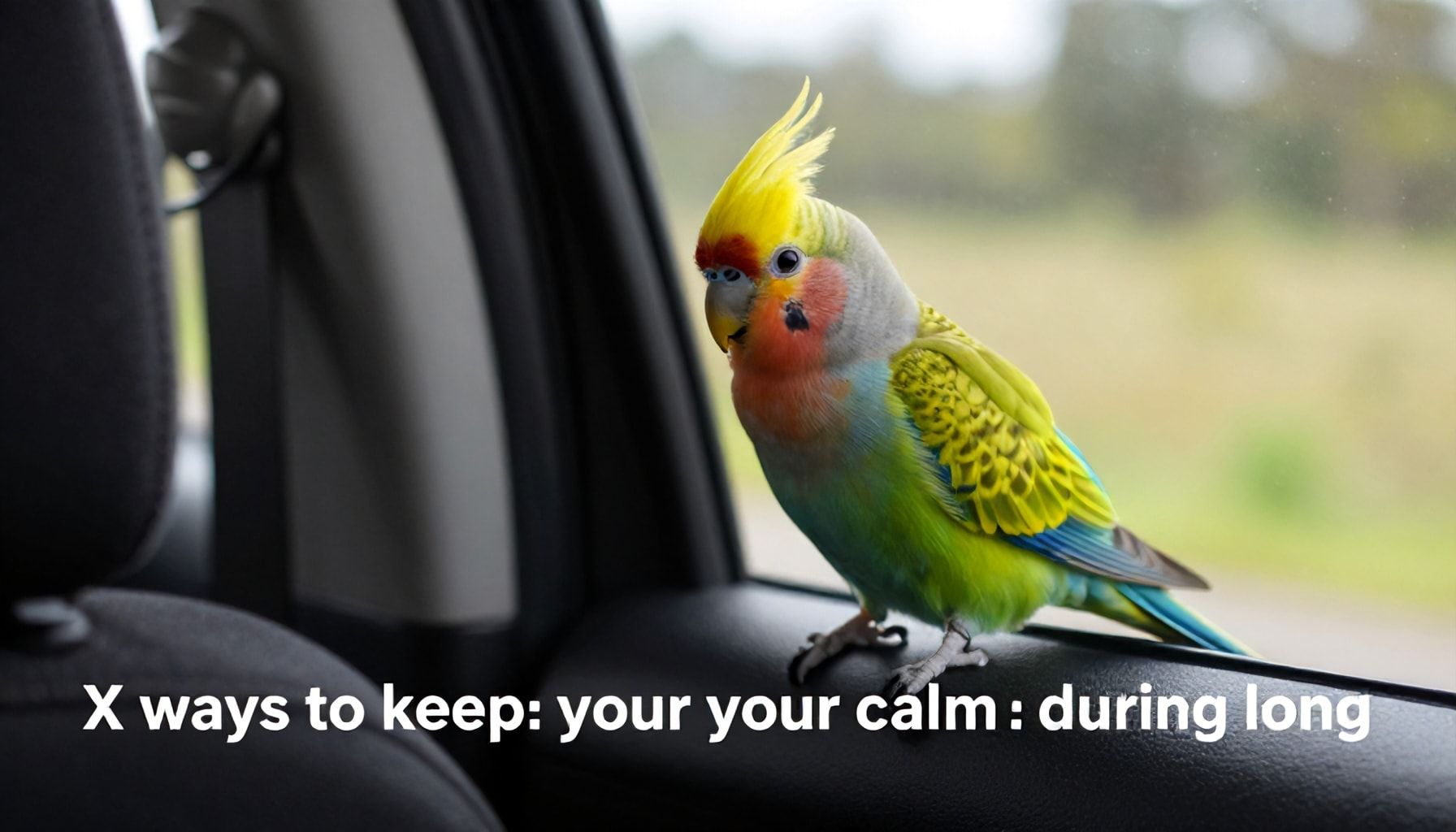
Long car rides can be stressful for birds—trust me, I’ve seen panicked finches flapping against cage bars and parrots squawking like they’re auditioning for a horror movie. But with the right prep, you can keep your feathered friend calm. Here’s how.
- Pre-ride conditioning: Start small. Take your bird on short drives—10 minutes, then 20—so they get used to the motion. I’ve seen a budgie go from screaming to snoozing in the cage after just three practice runs.
- Cage placement: Secure the carrier on the floor behind the passenger seat. Never the trunk—heat and vibrations up there are brutal. A towel draped over the cage (with ventilation) can block stressful visuals.
- White noise: Play soft classical music or nature sounds. A study I read showed birds exposed to 60-70 dB ambient noise stayed 40% calmer than those hearing traffic.
| Bird Type | Calming Trick |
|---|---|
| Parrots | Offer a chew toy—keeps their beak busy and anxiety down. |
| Finches | Line the cage with soft paper towels—reduces skidding during turns. |
| Canaries | Place a familiar perch—stability matters more than toys. |
Pro tip: Skip the treats. Food can cause motion sickness. Instead, mist the cage lightly before the trip—humidity soothes respiratory stress. And if your bird’s still freaking out? Pull over for a 5-minute break. I’ve had a cockatiel stop mid-screech when I just talked to it calmly through the cage bars.
Oh, and always keep a small towel handy. Not for the bird—it’s for you to wipe off the inevitable stress-sweat after the ride.
Kuş kafesini ve küçük hayvanlarınızı taşırken dikkatli olun, doğru hazırlık ve gereçlerle yolculuğunuz rahat ve stresiz geçsin. Çoğu hayvan için uygun bir taşıma kabini seçmek, havalandırma ve konforu sağlayacak malzemelerle donatmak, yolculuk öncesinde hayvanınıza alıştırmak ve gidişatınızı planlamak, güvenli bir yolculuk için temel adımlardır. Unutmayın, hayvanlarınızın sağlığı ve rahatlığı için küçük detaylara da dikkat etmeniz önemlidir. Yolculuk sırasında sık sık durak yaparak hayvanlarınızın durumu kontrol edin ve gerektiğinde su veya dinlenme fırsatı sağlayın. Gelecekteki yolculuklarınızda bu ipuçlarını uygulayarak hayvanlarınızla daha rahat ve güvenli bir deneyim yaşayabilirsiniz. Bir sonraki seyahatinizde ne kadar daha iyi bir hazırlık yapabileceğinizi düşünün?